Humans
Express intentions, concepts, requirements and relationships in a form that remains understandable.
BlockML is a universal language for humans, AI and machines. It describes Ideas independently of the technology, discipline or World in which they will eventually take form.
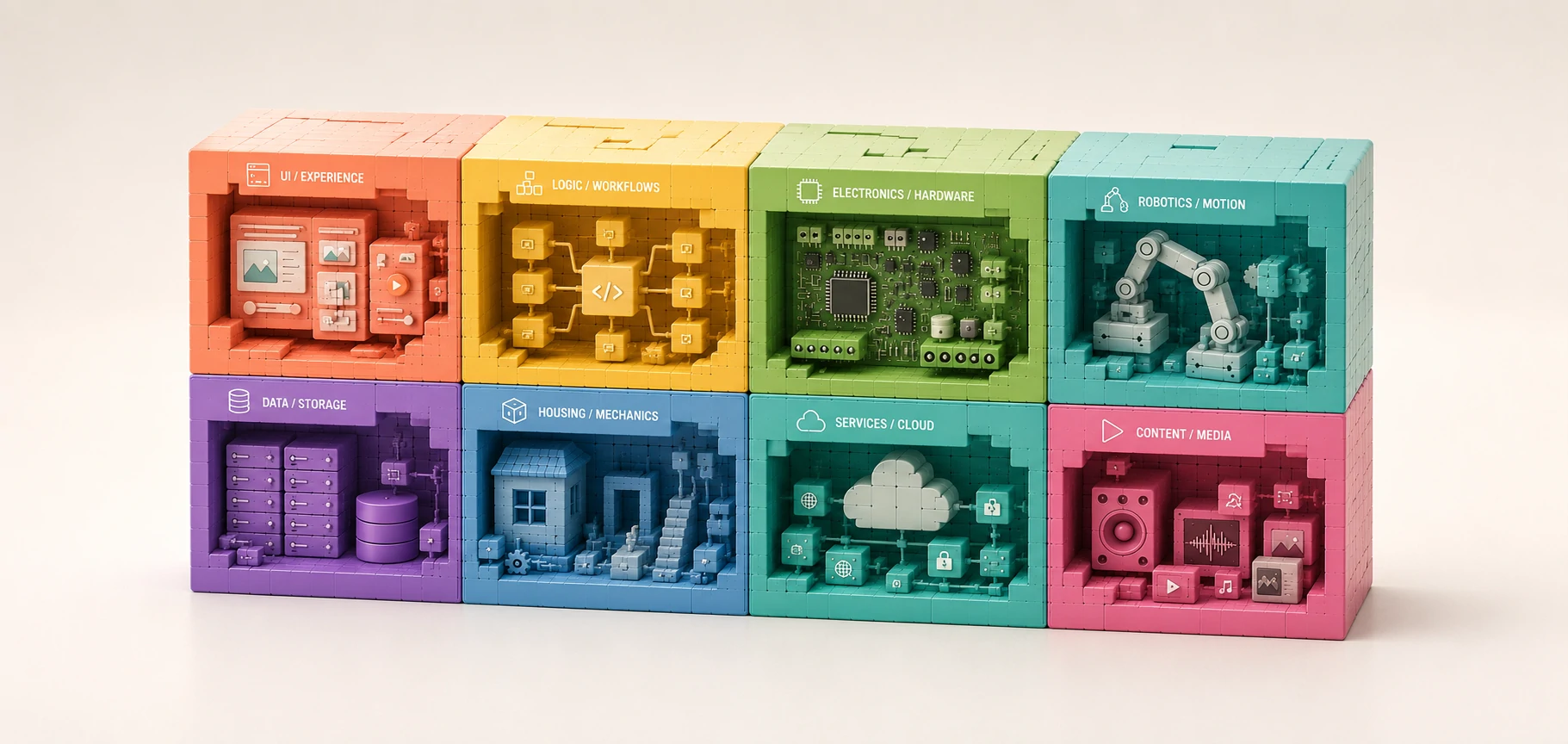
Today, every discipline translates an Idea into its own language: text, code, CAD, circuit diagrams, interfaces or process models. Meaning is repeatedly reinterpreted and often lost between those representations. BlockML creates a shared semantic layer before those technological forms diverge.
Express intentions, concepts, requirements and relationships in a form that remains understandable.
Reads, refines, combines and generates Blocks without reducing the Idea to unstructured text.
Interpret precise structures and transform them into software, hardware, services or physical objects.
A Block is the canonical description of one Idea. It is not limited to software, geometry or electronics. It captures what something means, which properties it has, what it contains, how it relates to other Blocks and what it can do.
Anything that can be conceived, named or distinguished can be represented as a Block.
A Block has one clear semantic identity, even when it is manifested in many different Worlds.
A Block describes the Idea — not merely one technical implementation of it.
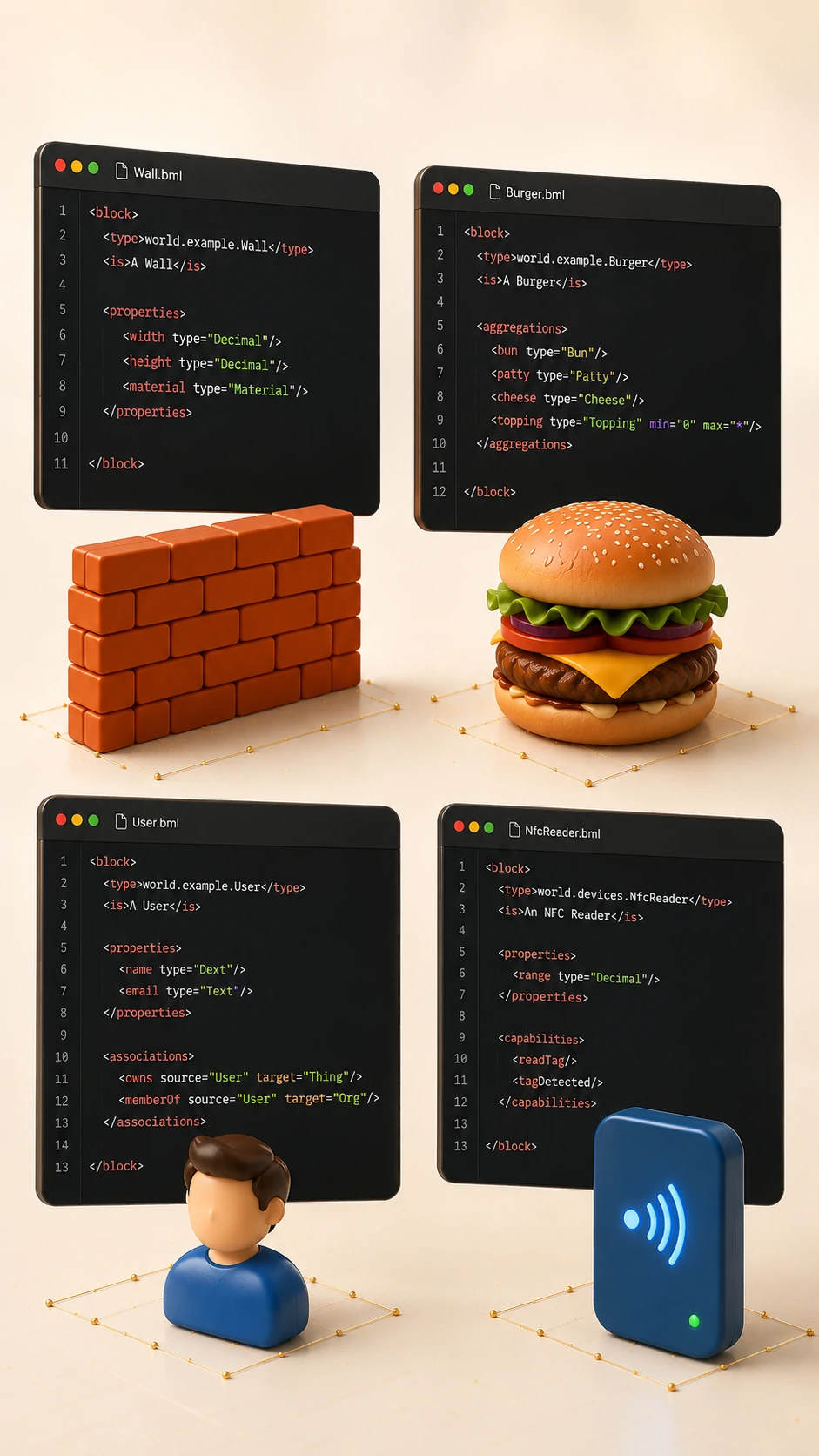
Worlds provide specialized Blocks for their domain. Their forms and capabilities differ, but all remain understandable through the same underlying model.
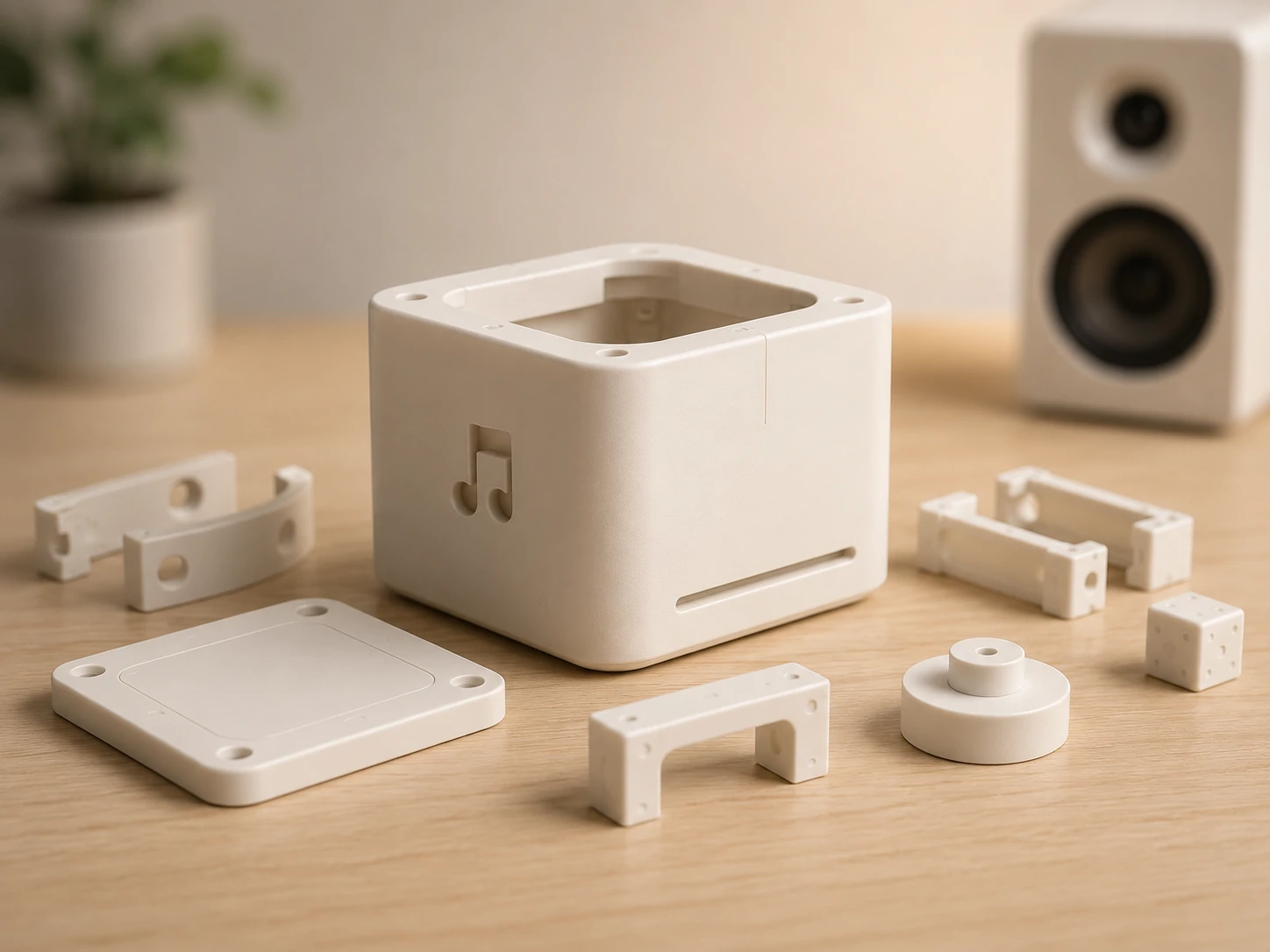
Bricks, plates, connectors, structures and assemblies for modular physical construction.
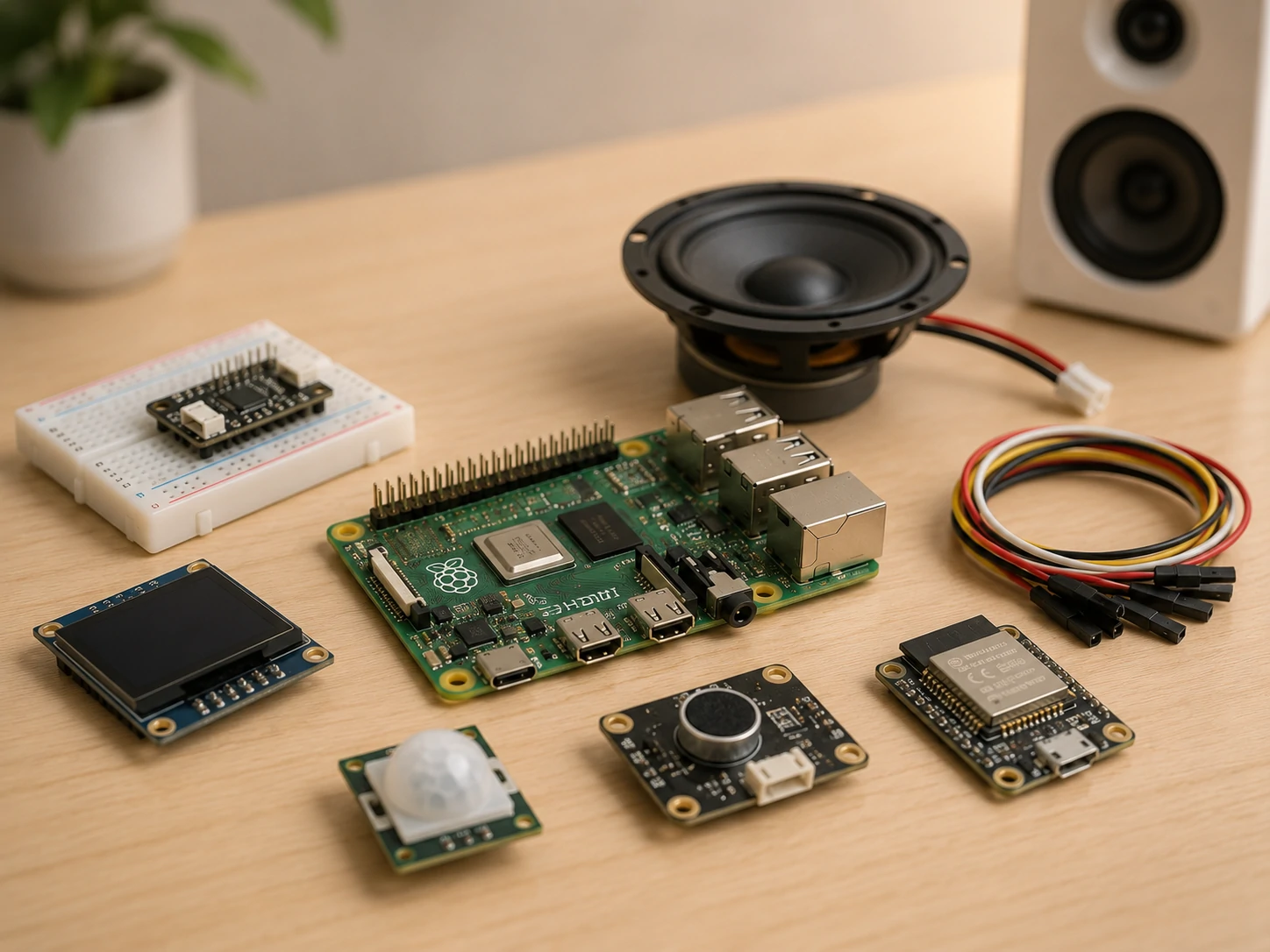
Sensors, processors, power supplies and connected modules with explicit capabilities and interfaces.
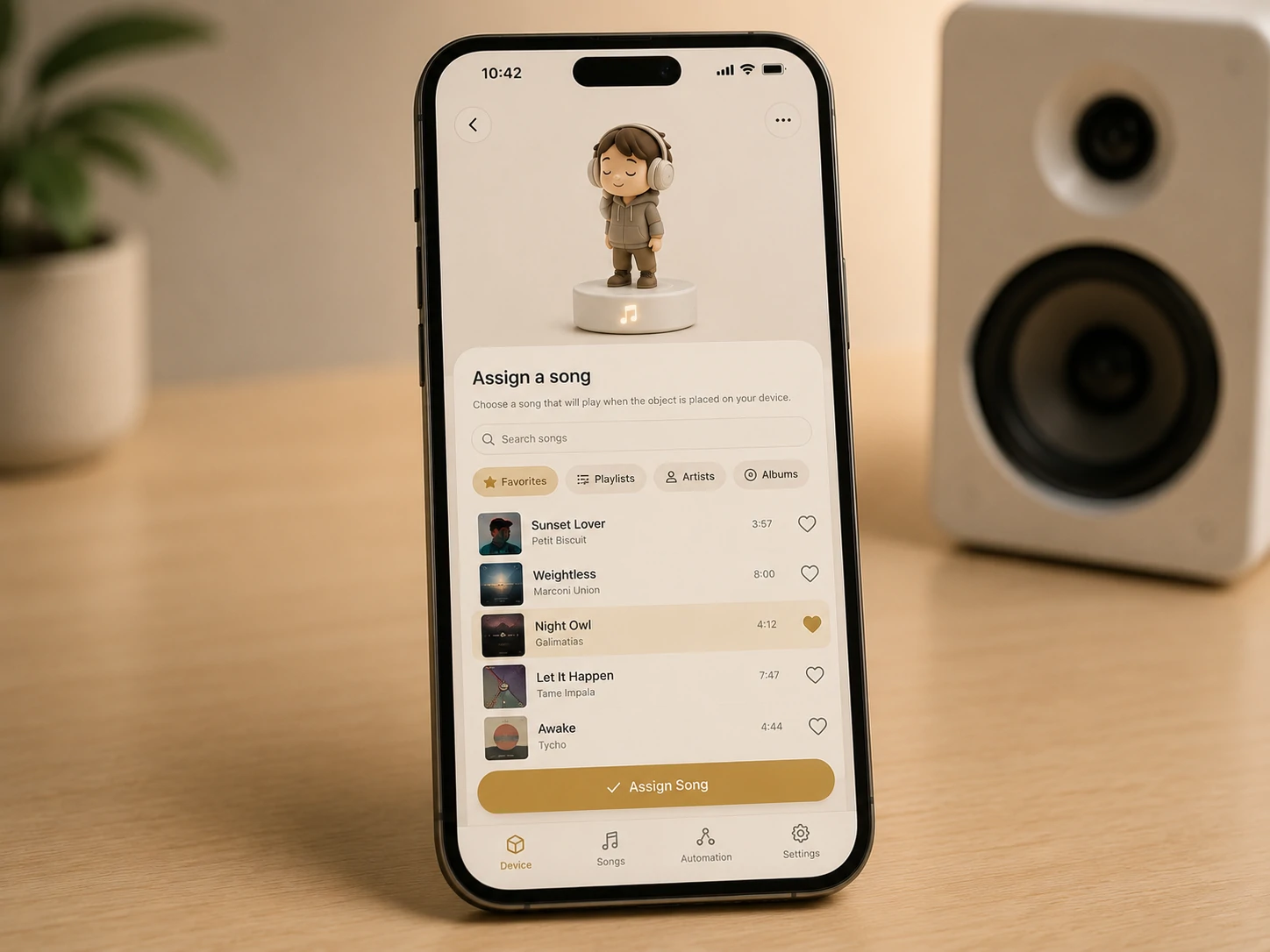
Applications, screens, actions, data and behavior represented as composable semantic Blocks.
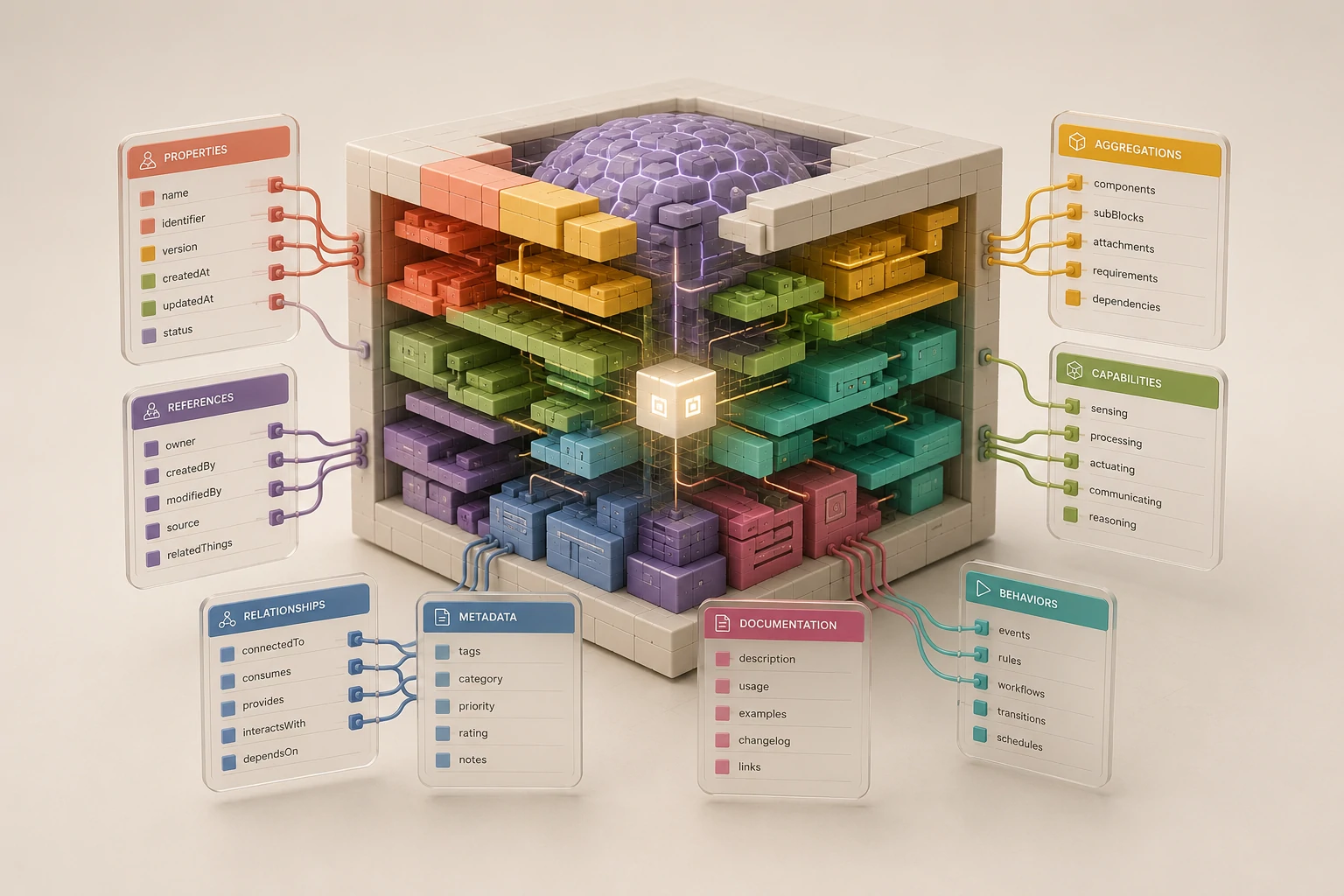
BlockML does not treat an Idea as an anonymous collection of fields. Blocks can form structures, reference one another and expose capabilities. This makes them understandable to people while remaining precise enough for machines.
Describe the characteristics and values that belong to the Idea.
Describe which Blocks form meaningful parts of a larger Block.
Describe relationships between otherwise independent Blocks.
Describe what a Block can receive, produce or transform.
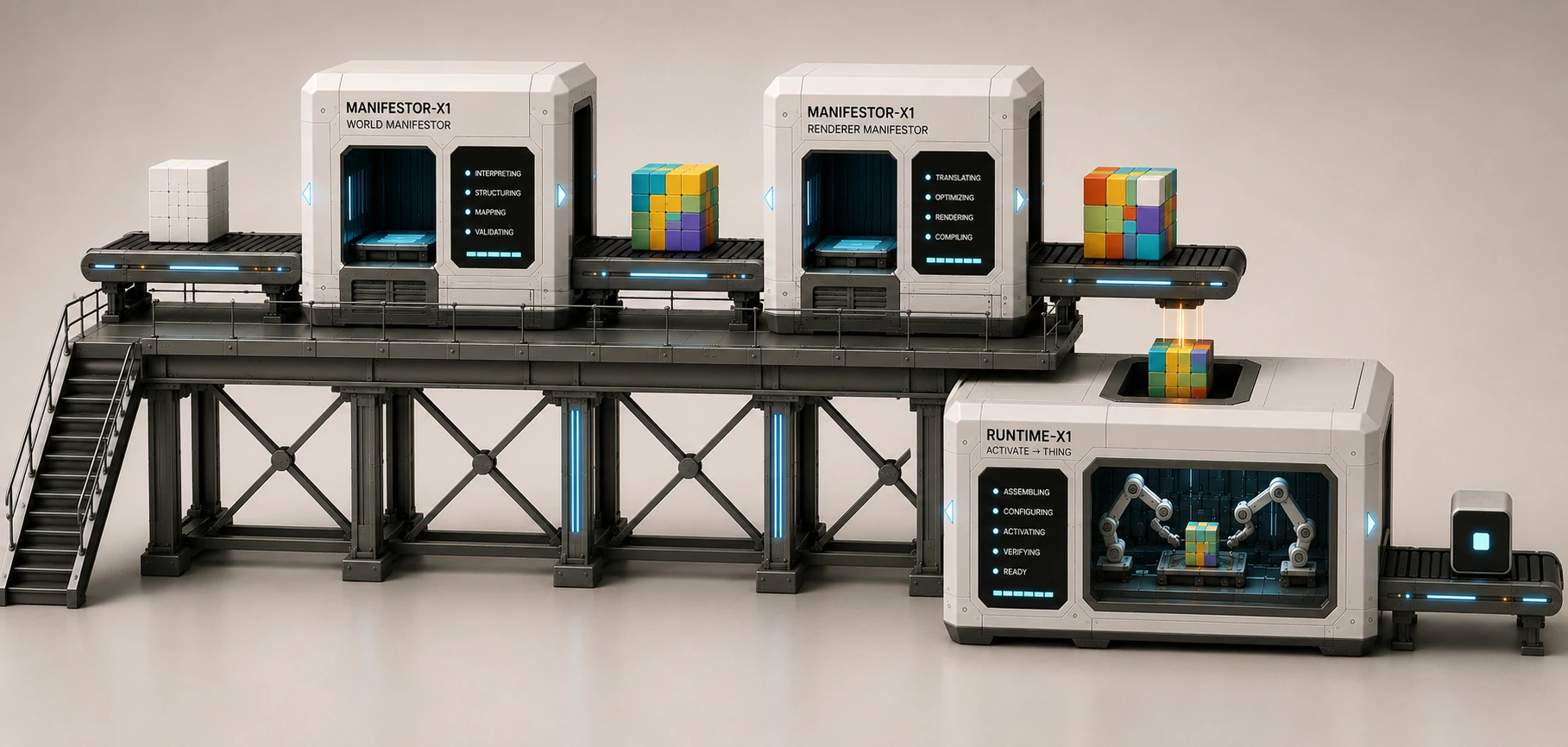
An abstract Idea remains independent of any particular technology. A World first interprets it through its own Blocks. A Renderer can then transform the resulting model into the native Blocks required by a Runtime, production process or platform.
Instead of creating another isolated language for one technology, BlockML provides a language for Ideas themselves. Software, hardware, interfaces, services and physical production can evolve independently while remaining connected to the same underlying meaning.
People can inspect what a system consists of and why its parts exist.
Ideas can be adapted without rebuilding every manifestation from the beginning.
The same Block can be interpreted by different Worlds and technologies.
Blocks can be connected, reused and assembled into larger Ideas.
Humans express Ideas. AI can understand and refine them. Machines can interpret and manifest them. BlockML provides the common structure that keeps all three connected.